Hardwood Floor Staining in Los Angeles

Hardwood floor staining is one of the most effective ways to change the appearance of an existing wood floor while preserving the natural grain and character of the material. Whether you want a lighter, warmer, darker, cooler, or completely custom tone, staining can transform a room without replacing the flooring.

Professional Hardwood Floor Staining

Careful Preparation, Testing, and Application

Our hardwood floor staining services can be part of a full refinishing project or a new unfinished hardwood installation. The process typically includes sanding or surface preparation, stain testing, color selection, careful application, drying, and protective finishing.

Because every wood species reacts differently to stain, proper preparation and sample testing are essential for achieving the desired result.

  • Stain samples tested on your actual floor
  • Natural, light, medium, dark, and gray tones
  • Custom blends and color matching
  • Protective finish coats for lasting color
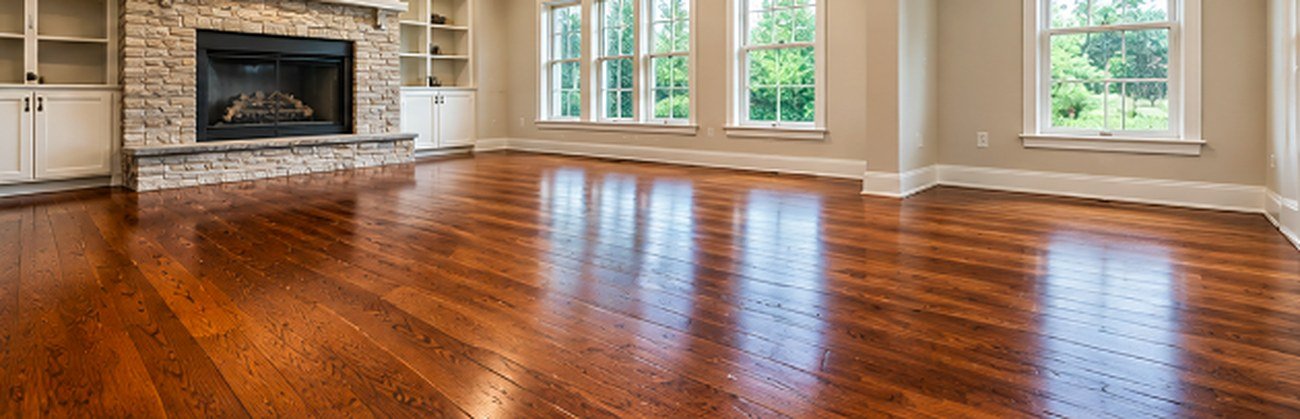
Living room with rich stained hardwood floors and a stone fireplace

Hardwood Stain Colors

From Natural and Light to Dark and Gray

Natural
Light
Honey
Warm brown
Medium brown
Cool brown
Whitewashed
Greige
Gray
Weathered
Espresso
Black

Colors shown are approximate. The final result depends on your wood species, which is why we test samples on your floor.

Natural Wood Stain

Natural stain enhances the existing color of the wood without dramatically changing it, highlighting the grain and character while giving the surface a cleaner, more finished look.

It works especially well with oak, white oak, maple, hickory, and other species where the grain is an important part of the design.
Light Wood Stain

Popular in modern, Scandinavian, coastal, and minimalist interiors, light stains create a bright, open look while the wood's texture stays visible. Popular tones include:

  • Pale oak
  • Natural beige
  • Light honey
  • Soft tan
  • Blonde tones
  • Whitewashed
  • Light neutral brown

The result depends on the species and its natural undertones.

Medium Wood Stain

Medium brown stains are balanced and versatile: dark enough for warmth and contrast, light enough to avoid feeling overly dramatic.

They suit traditional, transitional, farmhouse, and contemporary homes, and help coordinate hardwood with existing cabinetry, furniture, or stairs.

Dark Wood Stain

Dark stain creates a rich, sophisticated, dramatic design, especially in large rooms, formal interiors, and luxury properties. Popular tones include:

  • Dark walnut
  • Espresso
  • Deep brown
  • Coffee
  • Mahogany-inspired
  • Charcoal brown
  • Near-black

Dark finishes make dust and scratches more visible, so consider maintenance first.

Gray Hardwood Stain

Gray stain ranges from a soft weathered look to a darker contemporary tone, and is popular in modern and transitional interiors.

The result depends heavily on species: white oak often gives a more neutral gray, while red oak may show warmer undertones. Testing samples on the floor is the best way to evaluate it.

Custom Floor Stain Colors

Two or more stains can be blended to create a unique tone tailored to your property, useful when matching:

  • Existing stairs
  • Cabinets
  • Furniture
  • Doors
  • Trim
  • Built-in woodwork
  • Adjacent flooring

Test samples are applied to the actual floor before selecting a custom blend.

Popular Specialty Stain Tones

Whitewashed, Greige, Warm and Cool Browns, Espresso, and More

Whitewashed Hardwood Flooring

A soft, pale appearance that keeps the grain visible, common in coastal, Scandinavian, modern, and minimalist interiors and especially popular on white oak. Intensity ranges from subtle to noticeably pale.

Greige Hardwood Stain

Gray and beige combine into a neutral color that coordinates with both warm and cool design elements. White oak suits many greige stains; test the tone under your room's natural and artificial lighting.

Warm Brown Hardwood Stain

A classic, inviting look for traditional and transitional interiors. Warm stains highlight oak grain, add depth, and pair well with wood cabinetry, warm paint colors, and traditional furniture.

Cool Brown Hardwood Stain

Less red or orange than traditional warm stains, for a more modern look that keeps the richness of brown. Cool browns work well with gray, white, black, and neutral palettes.

Espresso Hardwood Stain

A very dark brown for a bold, upscale look on oak and other species. Scratches, dust, and pet hair show more, so many homeowners pair espresso with light walls and cabinets.

Black Hardwood Stain

Black and near-black floors create a dramatic contemporary look but are less forgiving of dust, scratches, and imperfections, so proper sanding and finishing are essential.

Honey Hardwood Stain

Warm golden tones popular with oak and traditional hardwoods. Honey adds warmth without making the floor too dark, and works in both classic and updated interiors.

Weathered Wood Stain

An aged or reclaimed look combining gray, brown, and muted natural tones, great for farmhouse, rustic, industrial, and coastal spaces, especially with wire-brushed flooring.

Staining by Wood Species

Every Hardwood Reacts Differently to Stain

White Oak Staining

One of the most versatile species for staining, working with light, medium, dark, and neutral tones. Popular styles include:

  • Natural
  • Raw wood look
  • Light beige
  • Warm brown
  • Medium walnut
  • Dark brown
  • Gray
  • Greige
  • Whitewashed

Especially popular for wide-plank flooring and modern designs.

Red Oak Staining

Red oak's stronger pink and reddish undertones influence how stain appears. Medium and dark browns often blend well with its natural warmth.

Lighter or cooler stains need careful testing to avoid unexpected color changes, so sample boards are especially important.

Maple Floor Staining

Maple's tighter, less porous grain can make it difficult to stain evenly, and improper preparation may create blotchy coloring.

Many maple floors get natural or lighter tones; darker stains require careful preparation and testing first.

Hickory Floor Staining

Hickory has significant color variation, with some planks very light and others much darker.

Stain can reduce or enhance this contrast, and natural and medium tones often highlight its strong grain and rustic character.

Walnut Floor Staining

Walnut is naturally rich brown, so heavy staining is often unnecessary. Many homeowners choose clear or lightly tinted finishes.

It can be stained deeper or more uniform, with careful testing so the stain doesn't hide the natural grain.

Cherry Wood Floor Staining

Cherry's warm reddish-brown tones deepen naturally over time. Staining can enhance them or create a darker, more formal look.

Natural and warm brown finishes usually complement cherry, which continues developing character with light exposure.

Birch Floor Staining

Birch can have noticeable color variation and may absorb stain unevenly if not properly prepared.

Light and medium tones enhance its grain, darker stains create drama, and sample testing shows how your floor will respond.

Ash Floor Staining

Ash has a prominent, oak-like grain but often starts lighter in color.

It works well with natural, medium, and some darker stains, and because the grain stays visible, it produces a strong visual texture.

Acacia Floor Staining

Acacia already has dramatic color variation, so stain can significantly change its look.

A clear finish preserves the contrast between boards, while medium or dark stains create a more consistent overall color with a distinctive result.

Custom Colors & Color Matching

Coordinate With Stairs, Cabinets, and Existing Floors

Hardwood Floor Color Matching

Color matching is often required when repairing or extending an existing floor. Older floors may have changed color from sunlight, oxidation, previous finishes, and age, so matching may involve testing multiple stain combinations and finish sheens. Sometimes refinishing a larger area gives a more consistent result than matching one small section. Need boards replaced first? See wood floor repair.

Matching Hardwood Stain to Cabinets

Flooring and cabinetry don't need to be exactly the same color, and some contrast often creates a more balanced design. Light floors work well with darker cabinets, while medium or dark floors pair well with white or light cabinetry. When using similar wood tones, testing helps avoid colors that almost match but look slightly off.

Matching Stain to Hardwood Stairs

Stairs are often stained to coordinate with the surrounding floor, whether treads are the same species or a different material. Custom blending helps create a closer match, and lighting matters because stairs and floors can look different depending on orientation and exposure. See our stair flooring service.

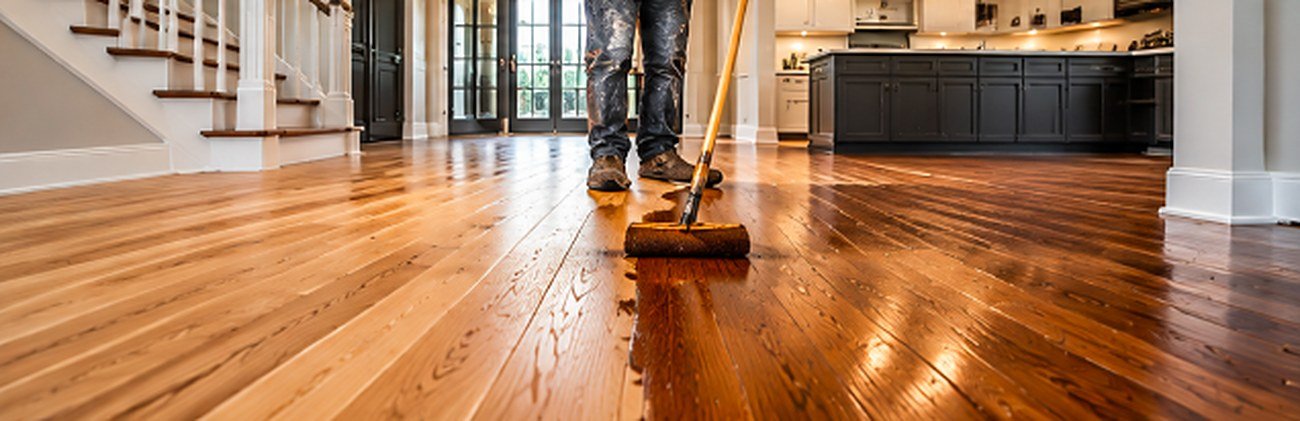
Applying stain to hardwood floors in a home with a staircase and dark kitchen cabinets

Hardwood Floor Color Change

Update an Older Floor Without Full Replacement

01

Changing Your Floor Color

A light floor can often be stained darker after proper sanding, and some darker floors can be made lighter depending on the original stain, species, and how deeply the color penetrated. A color change can make an older floor fit a newly remodeled interior without full replacement.

02

Light to Dark Hardwood Staining

A common project: sanding removes the old finish and exposes clean wood that accepts the new stain. Dark stains create stronger contrast with light walls, cabinets, and furniture, and can reduce the visibility of some older discoloration.

03

Dark to Light Hardwood Staining

More challenging, because success depends on how deeply the old stain penetrated and whether the wood has dark natural coloration. Thorough sanding removes much of the old color, but some tone may remain, so sample testing comes first.

Staining for Every Design Style

Rustic, Modern, and Traditional Interiors

01

Rustic Hardwood Staining

Rustic floors often contain knots, grain variation, mineral streaks, and natural color differences, and stain can enhance these features instead of hiding them.

Medium brown, warm brown, weathered, and natural stains are popular choices.

02

Modern Hardwood Staining

Modern designs often use lighter, more neutral colors, such as:

  • Natural white oak
  • Pale beige
  • Greige
  • Soft gray
  • Light neutral brown
  • Raw wood look

Matte finishes are often paired with these for a low-sheen contemporary look.

03

Traditional Hardwood Staining

Traditional interiors often use warm medium or dark brown hardwood that complements detailed trim, formal furniture, fireplaces, and wood cabinetry.

Red oak and walnut-inspired colors are frequently used in this style.

Stain Samples & Testing

The Most Important Part of Choosing a Color

A color shown on a website, brochure, or sample board may look different on the actual floor. Differences in wood species, grain, sanding, age, lighting, and finish all influence the final appearance.

We recommend testing several stain colors directly on the prepared flooring whenever possible.

How Lighting Affects Floor Color

Natural and artificial light can significantly change how stain appears. A stain may look warmer in direct sunlight and cooler under certain indoor lighting, and rooms facing different directions can make the same floor look slightly different throughout the day. Viewing test samples at different times helps you make a more confident decision.

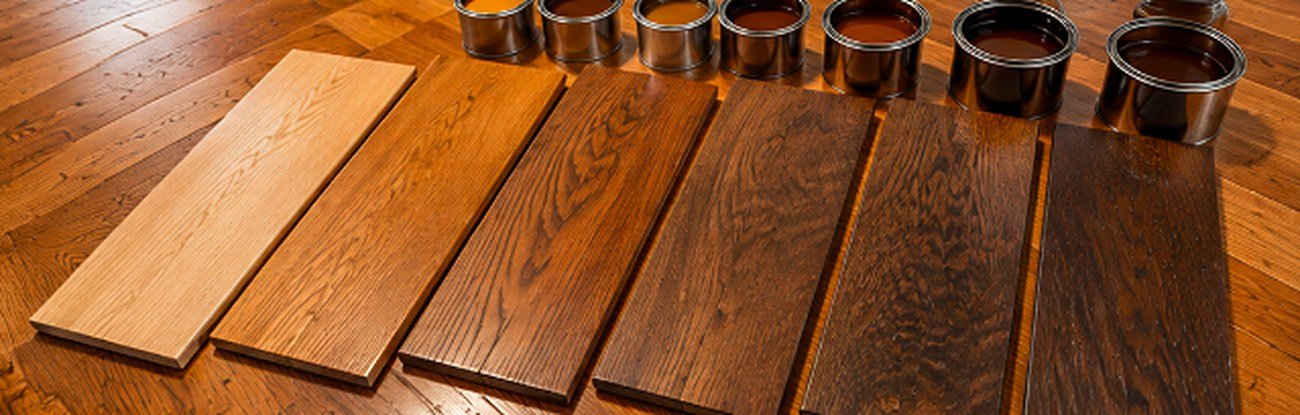
Hardwood stain sample boards from light natural to dark brown with stain cans

New & Existing Hardwood Staining

For Homes and Businesses

New Unfinished Hardwood Staining

New unfinished hardwood can be stained after installation for a customized appearance, with more flexibility than factory-finished flooring in a predetermined color.

After installation, the floor is sanded as one continuous surface before the stain and finish are applied, creating a smooth, consistent appearance across the room.

Existing Hardwood Floor Staining

Existing hardwood must typically be sanded before changing the stain color. Applying new stain over an existing finish will not provide the same result because the old coating prevents proper penetration.

Sanding exposes clean wood and allows the new stain to absorb more evenly.

01

Residential Hardwood Floor Staining

We stain hardwood flooring throughout the home:

  • Living rooms
  • Bedrooms
  • Kitchens
  • Dining rooms
  • Hallways
  • Home offices
  • Entryways
  • Staircases
  • Condos
  • Townhouses

Multiple rooms can be stained together for a consistent color throughout the property.

02

Commercial Hardwood Floor Staining

Commercial hardwood can be stained during installation or refinishing. Offices, retail stores, restaurants, studios, boutiques, and hospitality properties may use custom stain colors to coordinate with their interior design or branding.

Commercial projects may require additional planning around scheduling, traffic, and finish durability. See commercial flooring.

Choosing the Right Hardwood Stain

There is no single best stain color for every property. The right choice depends on the wood species, natural lighting, room size, cabinetry, wall colors, furniture, maintenance expectations, and overall design style.

Lighter colors can make spaces feel open and relaxed, while darker tones can create stronger contrast and a more formal atmosphere. Sample testing is the most reliable way to choose a stain that works with the actual floor.

Hardwood Floor Staining Process

A typical staining project may include the following steps. The exact process depends on the wood species, stain, and finishing products being used.

  1. 01Inspecting the existing hardwood
  2. 02Completing necessary board repairs
  3. 03Sanding away the old finish
  4. 04Preparing edges and corners
  5. 05Final sanding and cleaning
  6. 06Applying test stain samples
  7. 07Selecting the final color
  8. 08Applying stain evenly
  9. 09Allowing proper drying time
  10. 10Applying protective finish coats
  11. 11Completing a final inspection

Hardwood Floor Staining FAQs

Answers to Common Stain Color Questions

1.

Can I stain my hardwood floors without sanding?

Not if you want a real color change. The existing finish acts as a barrier, so new stain applied over it can't penetrate the wood properly and won't give an even, lasting result. Sanding removes the old coating and exposes clean wood that absorbs stain evenly. If you only want to refresh the shine without changing color, a screen-and-recoat may be an option instead.

2.

Can dark hardwood floors be stained lighter?

Sometimes. It depends on how deeply the previous stain penetrated and whether the wood itself has dark natural coloring. Thorough sanding can remove much of the old color, but some residual tone may remain, especially on heavily stained floors. We always test samples on your actual floor first, so you can see what's realistically achievable before committing to a lighter color.

3.

Why does stain look different on my floor than on the sample?

Every floor is different. Wood species, grain, age, sanding, lighting, and the finish all change how a stain looks. Red oak's pink undertones, for example, can warm up a gray stain, while maple may absorb color unevenly. That's why we apply several test samples directly on your prepared floor and recommend viewing them at different times of day.

4.

Which stain color is most popular right now?

In Los Angeles, lighter and more neutral colors are very popular, especially natural white oak, pale beige, greige, and soft gray, often paired with a matte finish for a modern look. Warm and medium browns remain timeless choices for traditional homes, while espresso and dark walnut create a dramatic, upscale feel. The best color depends on your space, lighting, and lifestyle.

5.

How long does hardwood floor staining take?

A typical staining project takes about three to five days, including sanding, preparing edges, applying and approving test samples, staining, drying, and applying protective finish coats. Drying times vary with the stain, finish system, temperature, and humidity. We give you a clear schedule up front, including when the floor can handle foot traffic and when furniture can go back.

Transform Your Hardwood Floors With a New Color

Keep the Natural Beauty of Real Wood

Hardwood floor staining gives you the ability to update your space while keeping the natural beauty of real wood.

Whether you want a light natural white oak appearance, classic warm brown, contemporary gray, rich walnut, deep espresso, or a completely custom blend, professional preparation and staining can produce a dramatic transformation.

Contact us to explore hardwood stain colors, request sample testing, and get an estimate for your flooring project.

Book Service

Get a Free Estimate for Your Wood Flooring Project