Wood Floor Replacement in Los Angeles

Replacing old, damaged, or outdated wood flooring can completely transform the look and feel of a home or commercial property. Replacement is often the right solution when existing flooring has extensive wear, water damage, deep scratches, structural issues, or a style that no longer matches the space.

Complete Wood Floor Replacement Services

From Removal to a Clean, Professional Finish

Our wood floor replacement services cover everything from removing old flooring and preparing the subfloor to installing new hardwood, engineered wood, or other wood flooring systems. We help property owners choose materials that fit the room, traffic level, design goals, and budget.

Whether you are replacing flooring in one room or updating an entire property, proper preparation and careful installation are essential for achieving a durable, attractive result.

  • Careful removal of old flooring
  • Subfloor inspection, repair, and leveling
  • Moisture testing before installation
  • New hardwood or engineered wood installed
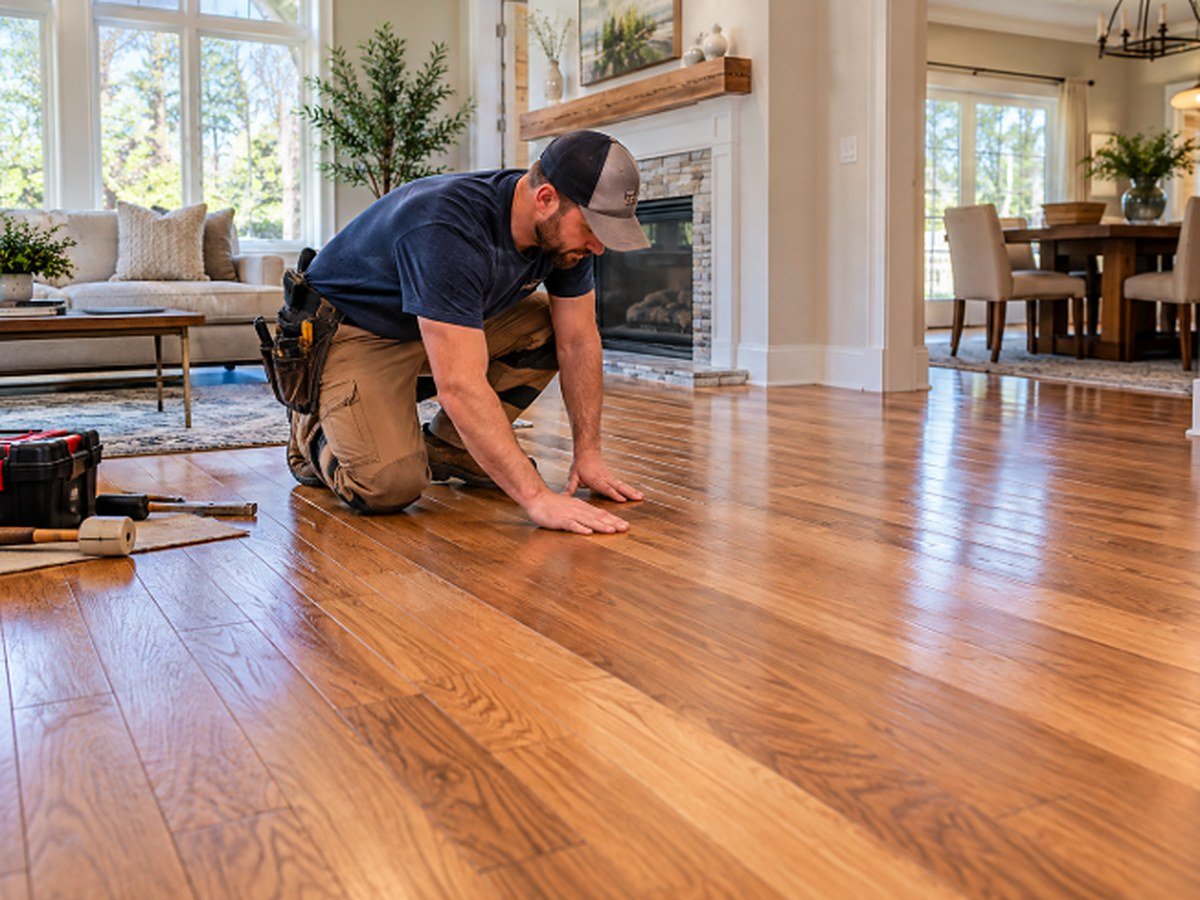
Installer checking a newly replaced hardwood floor in a Los Angeles living room

Wood Floor Replacement Options

Removal, Damage Repair, Partial and Full Replacement

01

Hardwood Floor Replacement

Ideal when existing wood flooring is too damaged, worn, or uneven to restore effectively. Older floors may have deep gouges, cracked boards, extensive staining, severe moisture damage, or multiple previous refinishing layers.

The process can include removal, subfloor inspection, moisture testing, leveling, and installation of new hardwood, with the freedom to choose a new species, plank width, stain, or finish.

02

Old Wood Floor Removal

Removing old wood flooring requires care to avoid unnecessary damage to the subfloor and surrounding areas. Floors may be nailed, stapled, glued, or floated, and the removal method depends on the original installation.

Once removed, the subfloor is inspected for damage, loose areas, moisture, adhesive residue, squeaks, or uneven sections. Proper removal and cleanup create a better foundation.

03

Damaged Flooring Replacement

Wood floors can be damaged by heavy furniture, impacts, pets, moisture, long-term wear, or previous repairs. When damage affects a large area, replacement may be more practical than repairing each section.

New flooring restores appearance and function and eliminates inconsistent patches, mismatched boards, and uneven finishes left from earlier repairs.

04

Water-Damaged Wood Floor Replacement

Leaks from plumbing, appliances, roofs, windows, or flooding can cause hardwood to swell, cup, buckle, stain, or separate, and severe moisture may also damage the subfloor.

The moisture source is identified and corrected, and the flooring and subfloor are properly dried before new materials are installed, preventing repeat damage.

05

Partial Hardwood Replacement

Not every damaged floor requires full replacement. Individual boards or a smaller area can be replaced for localized damage such as deep scratches, pet damage, burns, cracked boards, or isolated water exposure.

Matching species, width, grain, age, and finish is important, though perfect matching may not always be possible because wood naturally changes color over time.

06

Full Floor Replacement

A full replacement provides a completely new look and is often chosen during major renovations, property upgrades, or when damage is widespread.

It gives you freedom to choose new materials, colors, patterns, widths, and styles, from wide plank white oak and classic red oak to engineered hardwood, walnut, and maple, with consistent flooring between connected rooms.

Matching Existing Hardwood Floors

Blending New Boards With Your Current Floor

Matching new flooring to existing hardwood is often necessary when expanding a floor into another room or replacing a damaged section.

Several factors affect the match:

  • Wood species
  • Plank dimensions
  • Grain pattern
  • Stain color
  • Finish sheen
  • Age of the floor

Older hardwood can darken, lighten, or change tone over time, which may make new boards appear different initially. In some cases, refinishing the existing and new sections together can help create a more consistent appearance.

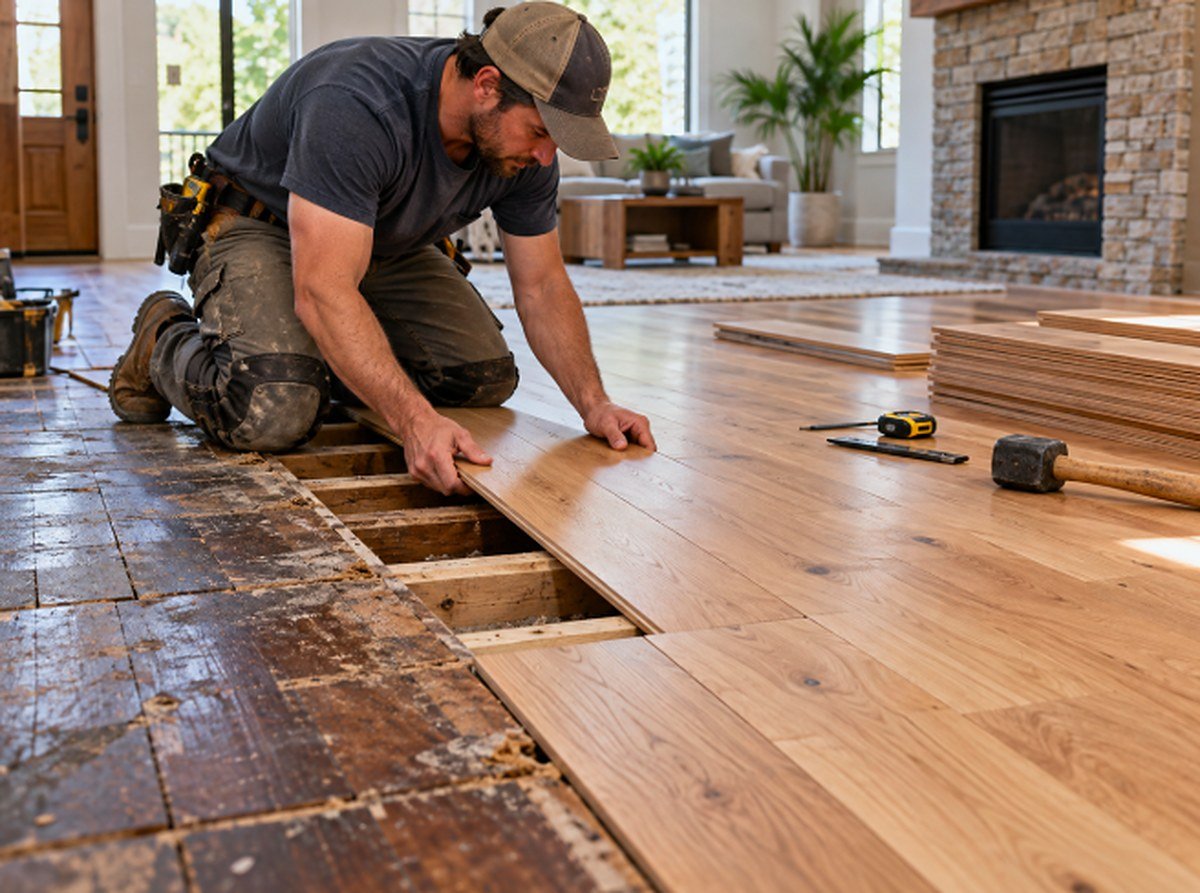
Installer fitting new hardwood boards into a partially replaced floor section

Floor Conversions to Wood

Replace Carpet, Tile, Laminate, Vinyl, or Change Your Wood Type

01

Removing Carpet & Installing Hardwood

After the carpet and padding are removed, staples, tack strips, adhesive residue, damaged plywood, and uneven areas are removed or repaired before hardwood is installed. A popular upgrade for living rooms, bedrooms, hallways, dining rooms, offices, and stairs.

02

Tile to Hardwood Floor Conversion

Tile removal requires more preparation because mortar, underlayment, and floor height must be addressed. The subfloor may need leveling or repair, and transitions to nearby rooms are carefully planned for a smooth, level finish.

03

Laminate to Hardwood Conversion

Laminate removal is often straightforward, but the subfloor is still evaluated first. Real hardwood or engineered wood provides a more natural look and may offer more refinishing and long-term maintenance options.

04

Vinyl to Hardwood Floor Replacement

The existing vinyl, adhesive, underlayment, and subfloor are evaluated before installation, and some older flooring systems require additional care during removal. New wood flooring is then installed with the right method.

05

Replacing Hardwood With Engineered Wood

Engineered wood provides a real wood surface with installation flexibility over certain concrete or plywood subfloors, in oak, white oak, maple, walnut, wide planks, textured finishes, and modern colors.

06

Replacing Engineered Wood With Hardwood

Some homeowners prefer solid hardwood for traditional construction and long-term refinishing potential. Solid hardwood is typically installed over wood subfloors, so the existing floor and subfloor are evaluated first.

Subfloor Inspection, Leveling & Moisture Testing

The Foundation of Every Replacement Project

Subfloor Inspection During Replacement

The condition of the subfloor is one of the most important parts of any replacement project. Once the existing flooring is removed, hidden problems may become visible. Common issues include:

  • Loose plywood
  • Water damage
  • Uneven sections
  • Squeaking
  • Cracks
  • Soft spots
  • Old adhesive
  • Moisture problems
  • Damaged underlayment

Addressing these issues before installing the new floor helps create a more stable and professional result.

Floor Leveling Before Installation

New wood flooring performs best over a flat, stable surface. Minor unevenness may be corrected through sanding, patching, or approved leveling materials, while more significant problems may require subfloor repair or replacement. Leveling helps prevent movement, gaps, squeaks, and uneven transitions.

Moisture Testing

Excessive moisture can cause wood to swell, cup, or buckle. Testing is especially important over concrete slabs, in basements, near exterior walls, or after water damage. New flooring is installed only when conditions meet the manufacturer's requirements.

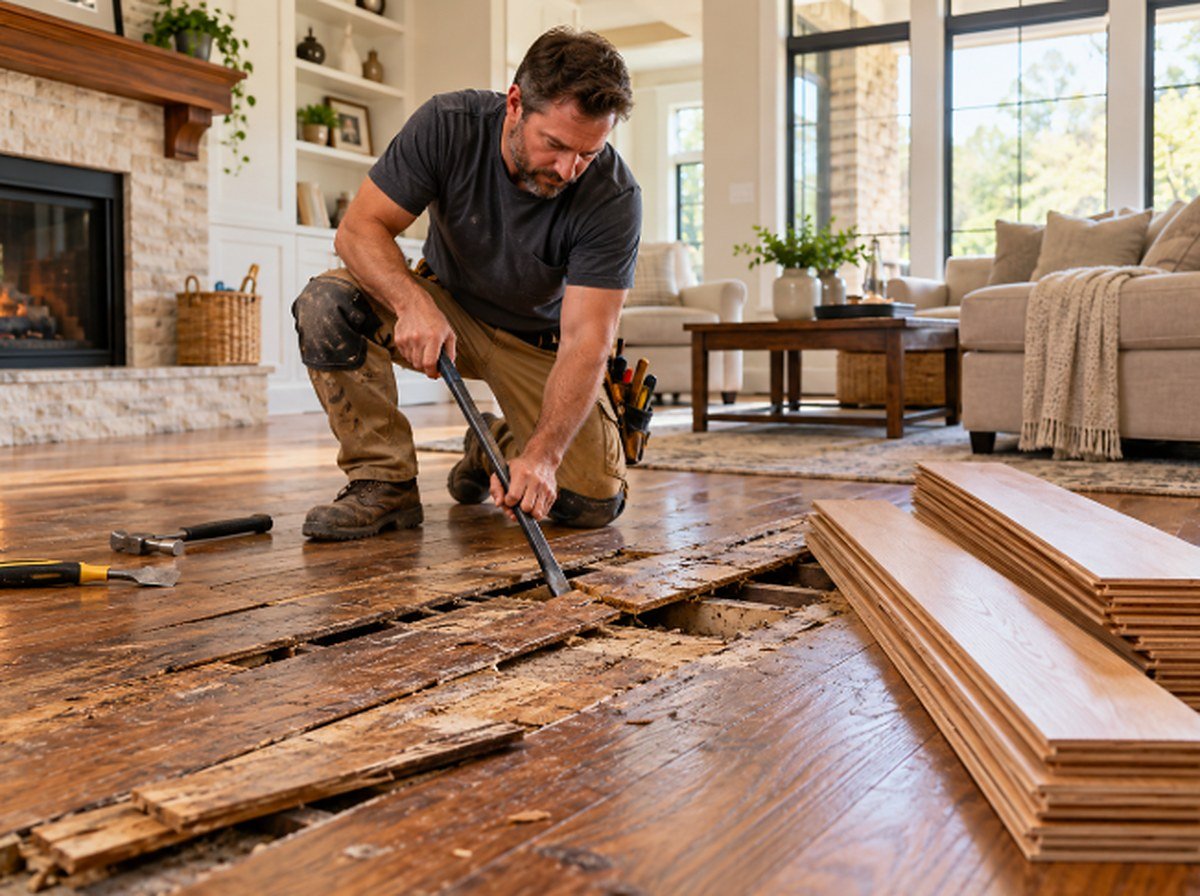
Removing damaged old hardwood boards with a pry bar before installing new flooring

Choosing New Wood Flooring

A Chance to Completely Change Your Design

Floor replacement gives property owners an opportunity to completely change the design of the space. Popular choices include:

  • White oak
  • Red oak
  • Maple
  • Hickory
  • Walnut
  • Engineered hardwood
  • Wide plank flooring
  • Natural finish hardwood
  • Dark stained flooring
  • Wire-brushed flooring
  • Herringbone patterns
  • Chevron flooring

The best choice depends on the desired appearance, room conditions, traffic level, and maintenance preferences.

Wide Plank Floor Replacement

A Modern, Spacious Look

Wide plank flooring can create a modern and spacious appearance. Replacing narrow or outdated flooring with wider boards can dramatically change the character of a room.

White oak is especially popular for wide plank installations, but engineered oak, walnut, and other species are also available.

Plank width should be selected based on the room dimensions, subfloor, and flooring construction.

Replacement for Every Property

Homes, Businesses, Remodels, and Older Properties

Whole-House Wood Floor Replacement

A continuous wood floor connects living rooms, hallways, bedrooms, and dining spaces. We plan around stairways, doorways, transitions, cabinets, and height differences, and a consistent plank direction makes the property feel larger and more cohesive.

Residential Wood Floor Replacement

Single rooms, entire floors, or full homes, including living rooms, bedrooms, kitchens, dining rooms, hallways, offices, entryways, staircases, condos, and townhomes, each planned around its own flooring and moisture requirements. See residential flooring.

Commercial Wood Floor Replacement

Offices, boutiques, studios, restaurants, hotels, and retail stores. We consider traffic, maintenance, durability, business hours, and scheduling, and engineered hardwood and commercial-rated products suit many businesses. See commercial flooring.

Wood Floor Replacement After Remodeling

Kitchen remodels, wall removal, additions, and layout changes can leave flooring exposed or mismatched. Replacing or extending the floor connects new spaces, and planning it with the renovation avoids unnecessary transitions.

Wood Floor Replacement After Pet Damage

Pets can cause scratches, stains, odor, and moisture damage. Extensive damage may require board or full replacement, a chance to choose a harder species and more durable finish for an active household.

Wood Floor Replacement for Older Homes

Older properties often have unique flooring dimensions, materials, and installation methods. Replacement may reveal uneven subfloors, old repairs, or adhesives, so careful evaluation comes before removing original flooring.

Our Wood Floor Replacement Process

A typical project may include the following steps. The exact process depends on the flooring material and conditions of the property.

  1. 01Inspecting the existing flooring
  2. 02Identifying damage or moisture issues
  3. 03Removing the old floor
  4. 04Removing nails, staples, or adhesive
  5. 05Inspecting the subfloor
  6. 06Repairing or leveling the surface
  7. 07Testing moisture conditions
  8. 08Acclimating the new flooring when required
  9. 09Planning plank layout
  10. 10Installing the new flooring
  11. 11Installing transitions and trim
  12. 12Completing final cleanup and inspection

Wood Floor Replacement FAQs

Answers to Common Floor Replacement Questions

1.

Should I repair or replace my wood floors?

It depends on how much of the floor is affected. Localized problems like a few cracked boards, deep scratches, or small pet or water spots can often be fixed with partial board replacement. If damage is widespread, the floor has been refinished too many times, or the subfloor has problems, full replacement usually gives a better long-term result. We inspect your floor and recommend the most practical option.

2.

Can you replace only part of my hardwood floor?

Yes. We can replace individual boards or a smaller section while keeping the rest of your floor. We match the wood species, board width, grain, and finish as closely as possible. Because wood naturally changes color with age, new boards may look slightly different at first, so we sometimes recommend refinishing the surrounding area together for the most consistent appearance.

3.

How long does wood floor replacement take?

Most single-room replacements take one to three days, while whole-house projects may take a week or more. The timeline depends on the size of the area, how the old floor was installed, subfloor repairs or leveling, moisture testing, and whether the new flooring needs time to acclimate. We give you a clear schedule before work begins so you can plan around it.

4.

What happens if you find subfloor damage?

Hidden subfloor problems are common once old flooring comes up. If we find loose plywood, soft spots, water damage, cracks, or old adhesive, we show you the issue and explain the repair options before continuing. Fixing the subfloor properly, through repair, leveling, or replacement of damaged sections, is essential for a stable, quiet floor that lasts.

5.

Can you replace water-damaged hardwood floors?

Yes. First, the source of the water, such as a plumbing leak, appliance, roof, or window, must be found and fixed. Then the subfloor is dried and checked for damage, and moisture levels are tested. Only when conditions meet the manufacturer's requirements do we install the new flooring. Skipping these steps can lead to the same damage happening again.

Replace Your Old Flooring With a New Hardwood Floor

Improve Both Appearance and Function

Old flooring can make an otherwise updated property feel worn and dated. Replacing damaged or outdated floors gives you the opportunity to improve both the appearance and functionality of your space.

From partial board replacement to complete whole-home flooring upgrades, we can help evaluate the existing floor, prepare the surface, and install new hardwood or engineered wood flooring.

Contact us to discuss your wood floor replacement project, compare flooring options, and request an estimate.

Book Service

Get a Free Estimate for Your Wood Flooring Project